Thornless Honey Locust Seedling Bareroot
Special Note: We take special care to grade out (remove) any of these seedlings that are showing visible thorns when we dig them in the fall. This increases the likelihood (although we cannot make any guarantees) that you will not have thorns develop on your Thornless Honey Locust Seedling. If you don't mind thorns on your Honey Locust, the ones we grade out are available here at a lower pricepoint.
Species: Gleditsia triacanthos
History: Thanks to its ability to tolerate a host of adverse conditions that would hinder or kill other trees, Honey Locusts have been cultivated for us as ornamental, urban trees. As a result, several thornless varieties have been developed including the mother tree for these seedlings.
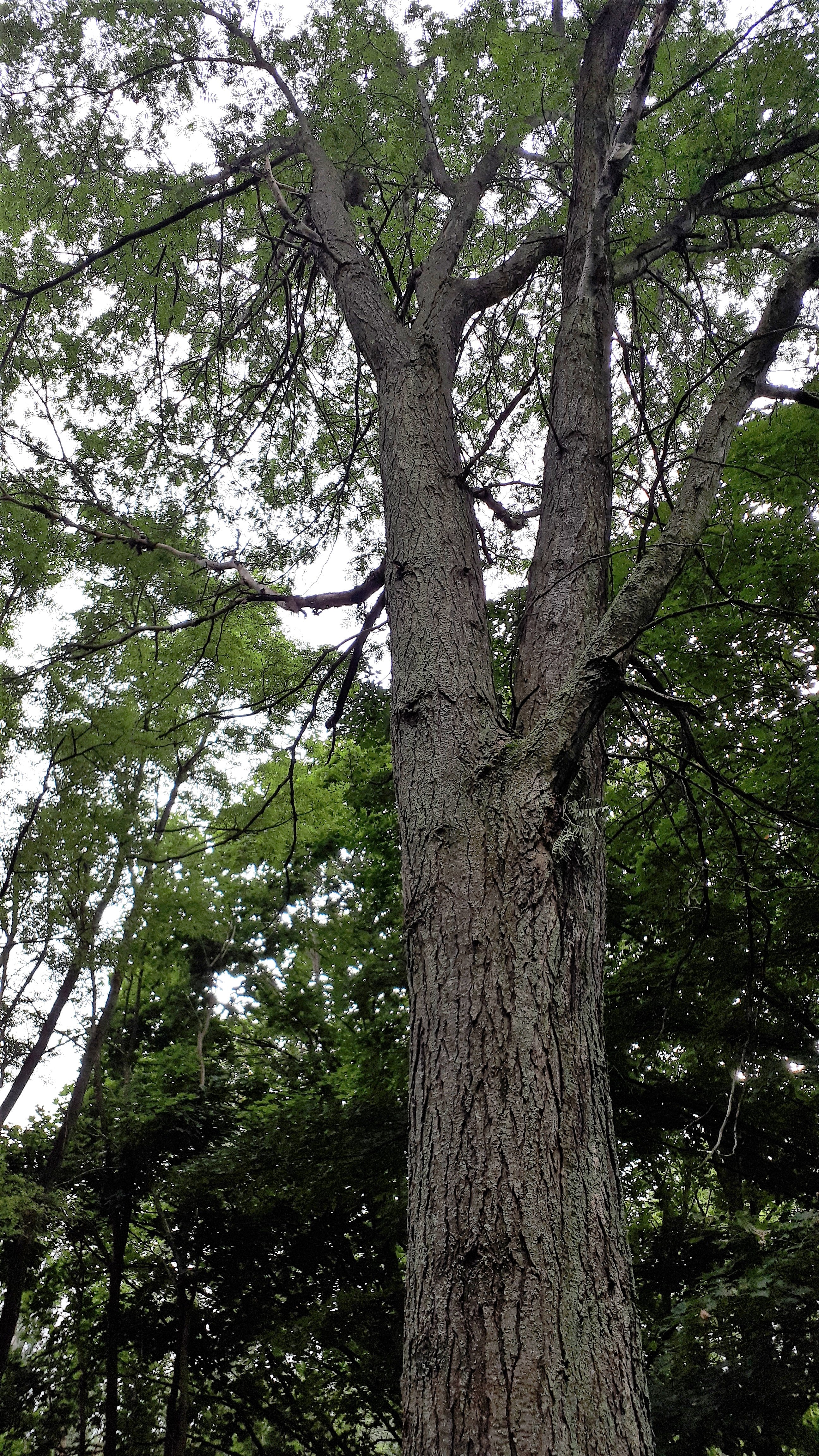
Why We Grow It: Honey Locust has many benefits for permaculture and now growers do not need to worry about popping tires with thorns thanks to these thornless trees - though they are seedling so some may develop thorns though most will not; these can be top grafted with a thornless type if needed. Reaching 30 meters tall, this native nitrogen fixing tree benefits many including bees, wildlife, and even humans: we can use the sweet (honey flavoured) pulp inside their pods in baking, tea or for brewing beer. The durable, rot-resistant wood has a variety of uses.
Special Note: We take special care to grade out (remove) any of these seedlings that are showing visible thorns when we dig them in the fall. This increases the likelihood (although we cannot make any guarantees) that you will not have thorns develop on your Thornless Honey Locust Seedling. If you don't mind thorns on your Honey Locust, the ones we grade out are available here at a lower pricepoint.
Species: Gleditsia triacanthos
History: Thanks to its ability to tolerate a host of adverse conditions that would hinder or kill other trees, Honey Locusts have been cultivated for us as ornamental, urban trees. As a result, several thornless varieties have been developed including the mother tree for these seedlings.
Why We Grow It: Honey Locust has many benefits for permaculture and now growers do not need to worry about popping tires with thorns thanks to these thornless trees - though they are seedling so some may develop thorns though most will not; these can be top grafted with a thornless type if needed. Reaching 30 meters tall, this native nitrogen fixing tree benefits many including bees, wildlife, and even humans: we can use the sweet (honey flavoured) pulp inside their pods in baking, tea or for brewing beer. The durable, rot-resistant wood has a variety of uses.
Original: $14.81
-70%$14.81
$4.44Description
Special Note: We take special care to grade out (remove) any of these seedlings that are showing visible thorns when we dig them in the fall. This increases the likelihood (although we cannot make any guarantees) that you will not have thorns develop on your Thornless Honey Locust Seedling. If you don't mind thorns on your Honey Locust, the ones we grade out are available here at a lower pricepoint.
Species: Gleditsia triacanthos
History: Thanks to its ability to tolerate a host of adverse conditions that would hinder or kill other trees, Honey Locusts have been cultivated for us as ornamental, urban trees. As a result, several thornless varieties have been developed including the mother tree for these seedlings.
Why We Grow It: Honey Locust has many benefits for permaculture and now growers do not need to worry about popping tires with thorns thanks to these thornless trees - though they are seedling so some may develop thorns though most will not; these can be top grafted with a thornless type if needed. Reaching 30 meters tall, this native nitrogen fixing tree benefits many including bees, wildlife, and even humans: we can use the sweet (honey flavoured) pulp inside their pods in baking, tea or for brewing beer. The durable, rot-resistant wood has a variety of uses.