Shipova (European Pear and Common Whitebeam hybrid) Bareroot
Species: xSorbopyrus irregularis (Pyrus communis x Sorbus aria), also referred to as xSorbopyrus auricularis although this name is no longer correct
History: Shipova is a unique cross between European pears and Common Whitebeam* (Sorbus aria) which readily hybridizes with many other fruiting plants in the rose family. As a surprise hybrid, the history of Shipova is a little foggy. This cross supposedly appeared, or was perhaps planted, at Bollwiller Castle in France in the 1600s and was called Bollwiller Pear. It was cultivated in gardens in the late 1700s and early 1900s. It may have also originated in Yugoslavia and is popular in Eastern Europe today. Shipova was first brought to the US in 1959 and was imported from Yugoslavia. Today, it appears to remain something of a novelty in North America.
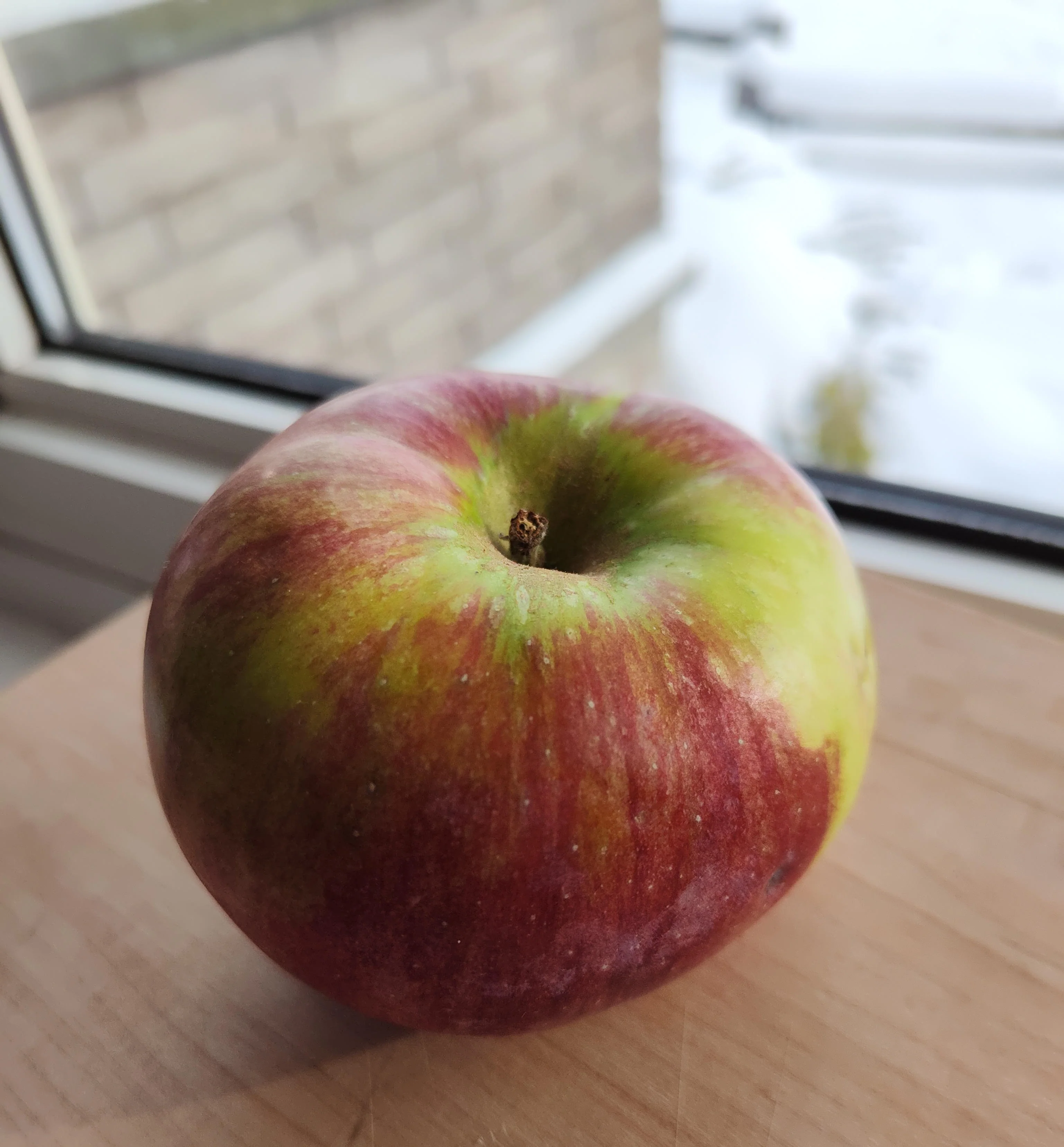
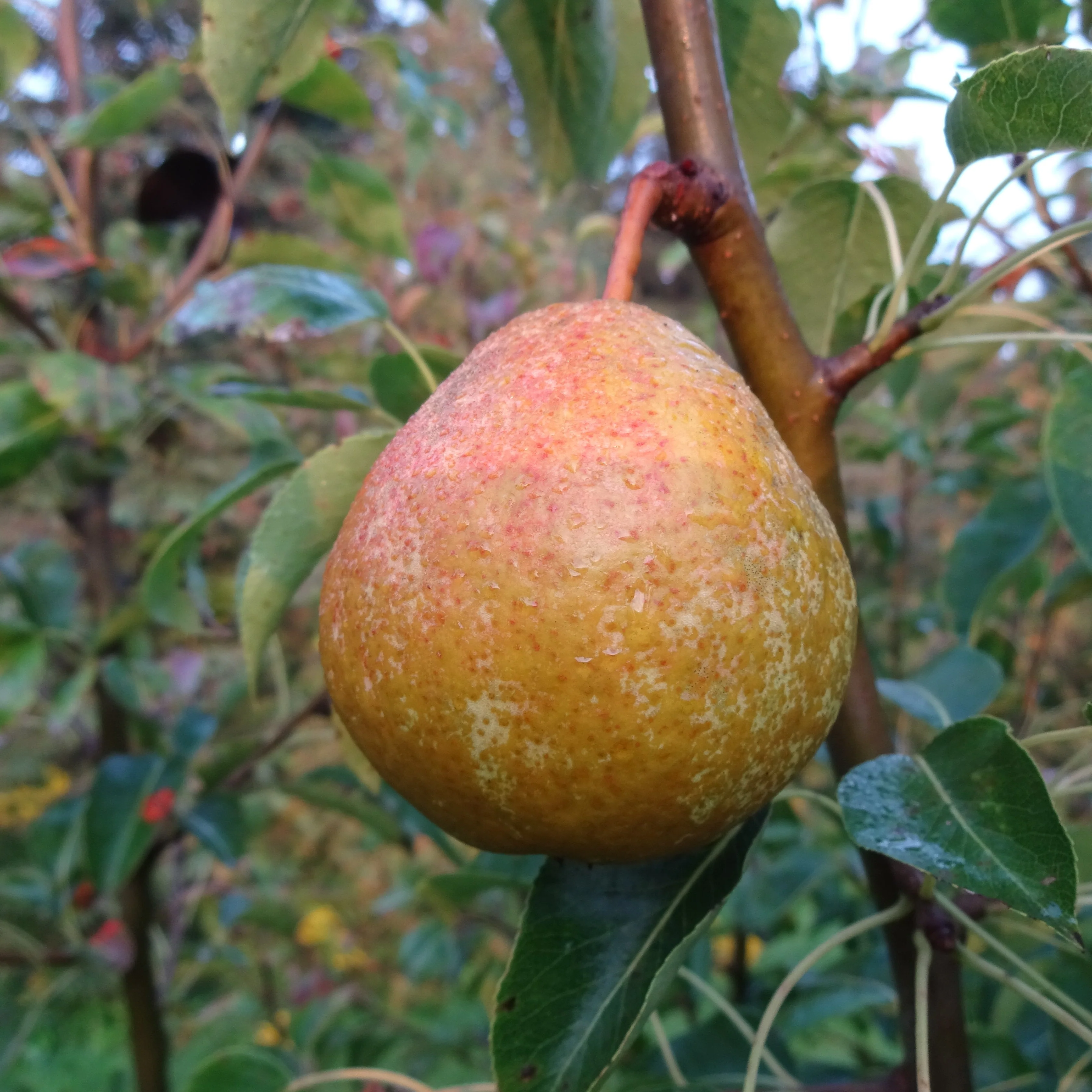
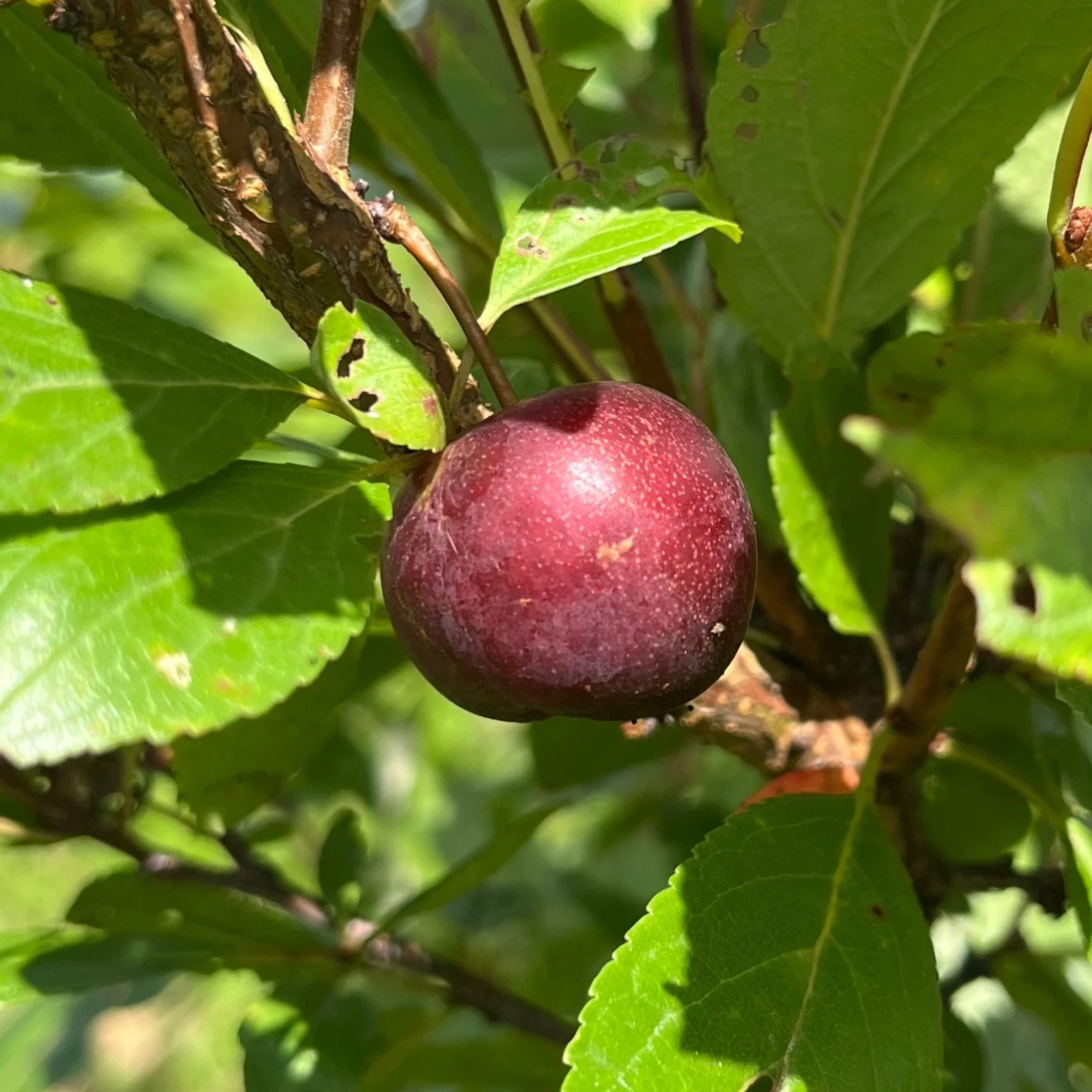
Why We Grow It: Shipova is a truly unique fruit tree and it is a shame that it is not grown more commonly. They are quite cold hardy and relatively disease-resistant. The trees produce clusters of small, round fruit that resemble pears. They are dense and crisp with a sweet flavour reminiscent of tropical fruits.
*Many places list Shipova as a cross between European pears and Mountain Ash. More precisely, the genus Sorbus is the Mountain Ash genus and the specific tree that is the parent of Shipova is the species Sorbus aria, commonly known as Common Whitebeam
Species: xSorbopyrus irregularis (Pyrus communis x Sorbus aria), also referred to as xSorbopyrus auricularis although this name is no longer correct
History: Shipova is a unique cross between European pears and Common Whitebeam* (Sorbus aria) which readily hybridizes with many other fruiting plants in the rose family. As a surprise hybrid, the history of Shipova is a little foggy. This cross supposedly appeared, or was perhaps planted, at Bollwiller Castle in France in the 1600s and was called Bollwiller Pear. It was cultivated in gardens in the late 1700s and early 1900s. It may have also originated in Yugoslavia and is popular in Eastern Europe today. Shipova was first brought to the US in 1959 and was imported from Yugoslavia. Today, it appears to remain something of a novelty in North America.
Why We Grow It: Shipova is a truly unique fruit tree and it is a shame that it is not grown more commonly. They are quite cold hardy and relatively disease-resistant. The trees produce clusters of small, round fruit that resemble pears. They are dense and crisp with a sweet flavour reminiscent of tropical fruits.
*Many places list Shipova as a cross between European pears and Mountain Ash. More precisely, the genus Sorbus is the Mountain Ash genus and the specific tree that is the parent of Shipova is the species Sorbus aria, commonly known as Common Whitebeam
Original: $26.73
-70%$26.73
$8.02Description
Species: xSorbopyrus irregularis (Pyrus communis x Sorbus aria), also referred to as xSorbopyrus auricularis although this name is no longer correct
History: Shipova is a unique cross between European pears and Common Whitebeam* (Sorbus aria) which readily hybridizes with many other fruiting plants in the rose family. As a surprise hybrid, the history of Shipova is a little foggy. This cross supposedly appeared, or was perhaps planted, at Bollwiller Castle in France in the 1600s and was called Bollwiller Pear. It was cultivated in gardens in the late 1700s and early 1900s. It may have also originated in Yugoslavia and is popular in Eastern Europe today. Shipova was first brought to the US in 1959 and was imported from Yugoslavia. Today, it appears to remain something of a novelty in North America.
Why We Grow It: Shipova is a truly unique fruit tree and it is a shame that it is not grown more commonly. They are quite cold hardy and relatively disease-resistant. The trees produce clusters of small, round fruit that resemble pears. They are dense and crisp with a sweet flavour reminiscent of tropical fruits.
*Many places list Shipova as a cross between European pears and Mountain Ash. More precisely, the genus Sorbus is the Mountain Ash genus and the specific tree that is the parent of Shipova is the species Sorbus aria, commonly known as Common Whitebeam