Nero Aronia Berry Bareroot
Species: Aronia melanocarpa
History: Nero was created in Russia by plant breeder Ivan Michurin in either the late 1800s or early 1900s. Likely selected for its large fruit and sweeter flavour, Nero is still used commercially in Russia to this day.
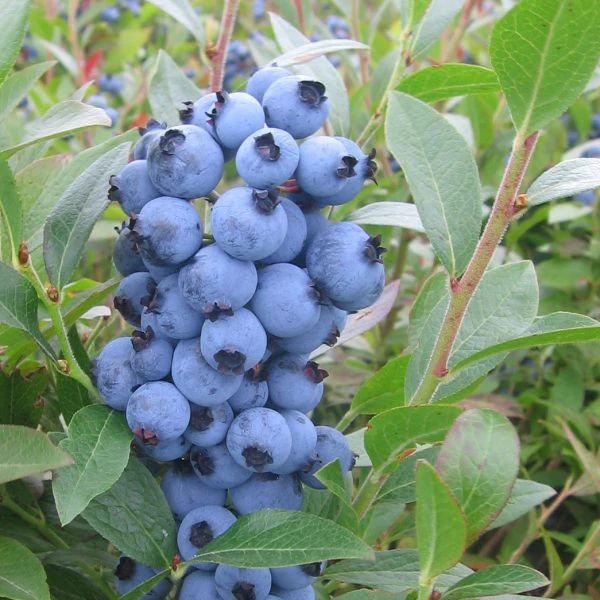
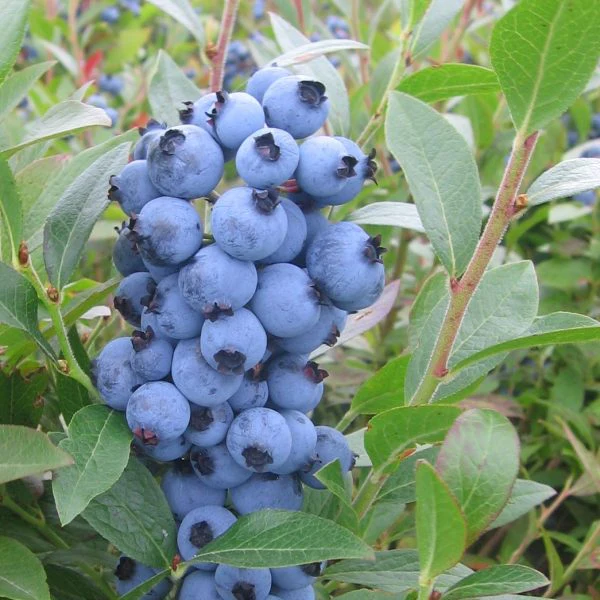
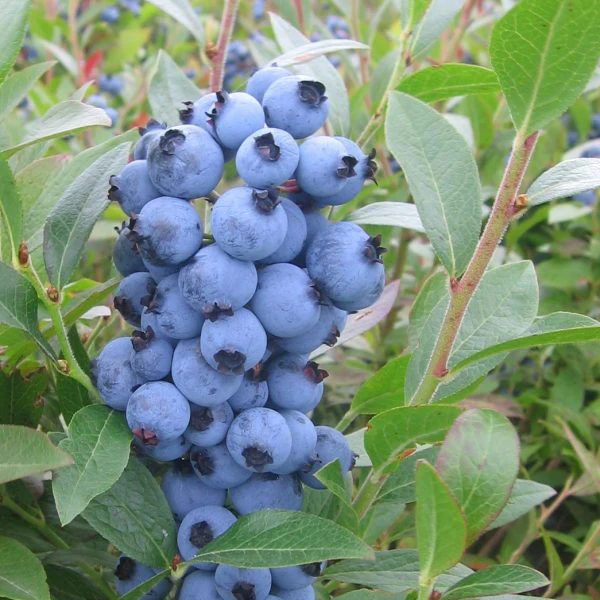
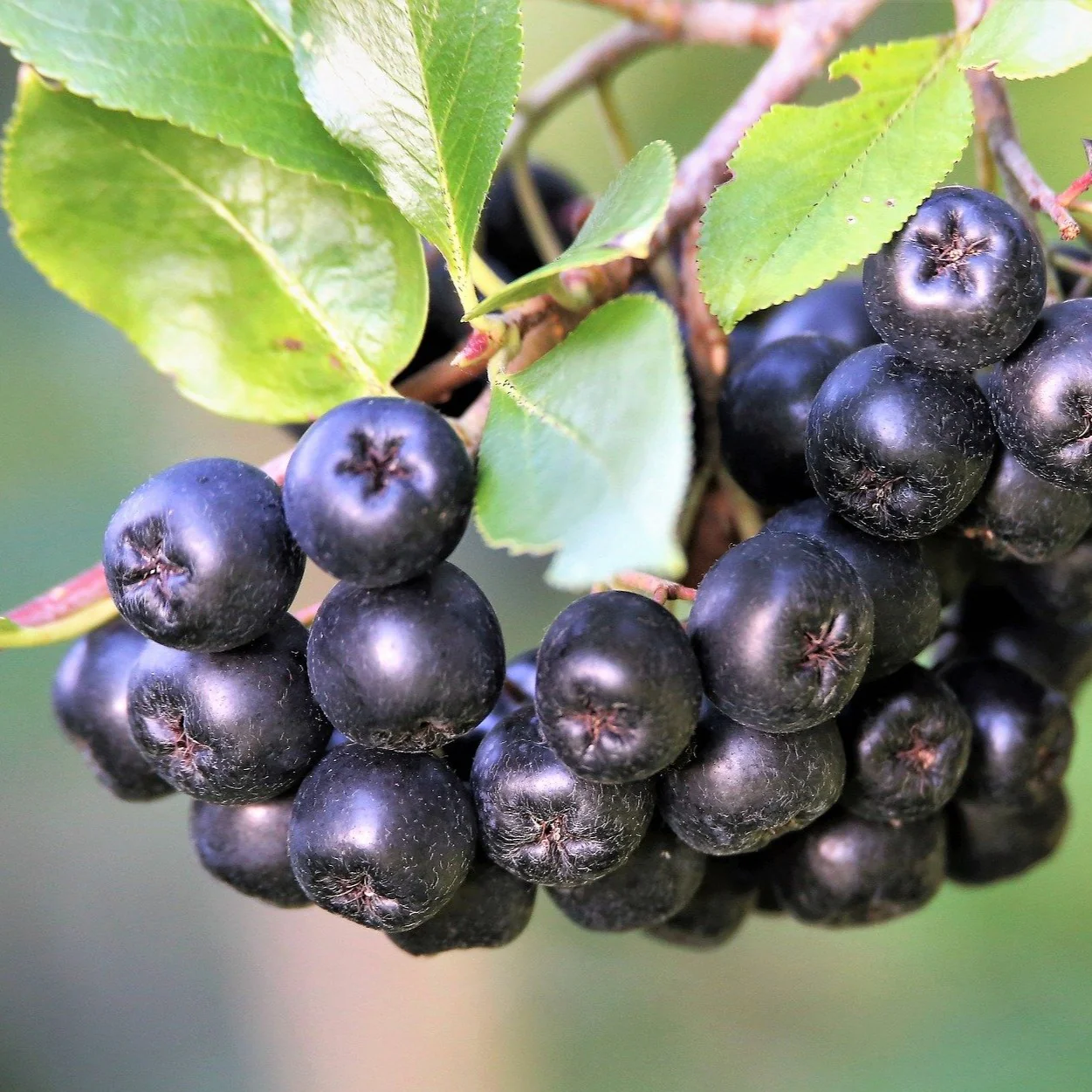
Why We Grow It: Nero produces ample clusters of dark berries that are somewhat sweeter and less astringent than other aronia varieties, making it more favourable for fresh eating. Like other aronia berries, it is ideal for baking, cooking, jellies, etc. While the berries ripen in August, they can hang onto the bush for a couple months and tend to sweeten over time. The plant itself is tough and cold hardy.
Species: Aronia melanocarpa
History: Nero was created in Russia by plant breeder Ivan Michurin in either the late 1800s or early 1900s. Likely selected for its large fruit and sweeter flavour, Nero is still used commercially in Russia to this day.
Why We Grow It: Nero produces ample clusters of dark berries that are somewhat sweeter and less astringent than other aronia varieties, making it more favourable for fresh eating. Like other aronia berries, it is ideal for baking, cooking, jellies, etc. While the berries ripen in August, they can hang onto the bush for a couple months and tend to sweeten over time. The plant itself is tough and cold hardy.
Original: $20.95
-70%$20.95
$6.28Description
Species: Aronia melanocarpa
History: Nero was created in Russia by plant breeder Ivan Michurin in either the late 1800s or early 1900s. Likely selected for its large fruit and sweeter flavour, Nero is still used commercially in Russia to this day.
Why We Grow It: Nero produces ample clusters of dark berries that are somewhat sweeter and less astringent than other aronia varieties, making it more favourable for fresh eating. Like other aronia berries, it is ideal for baking, cooking, jellies, etc. While the berries ripen in August, they can hang onto the bush for a couple months and tend to sweeten over time. The plant itself is tough and cold hardy.