🚚 Free Worldwide Shipping on All Orders!Shop Now

Pinova Apple Bareroot
History: Pinova was developed in Eastern Germany at the Institut für Obstforschung Dresden-Pillnitz (translated from German as the Dresden-Pillnitz Institute for Fruit Research) and released in 1986. It is also known as Corail, Sonata, and is sold under the brand name Pinata in the US.
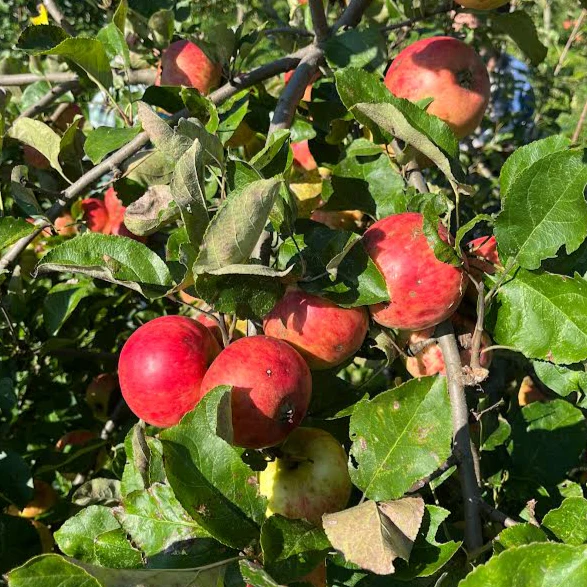
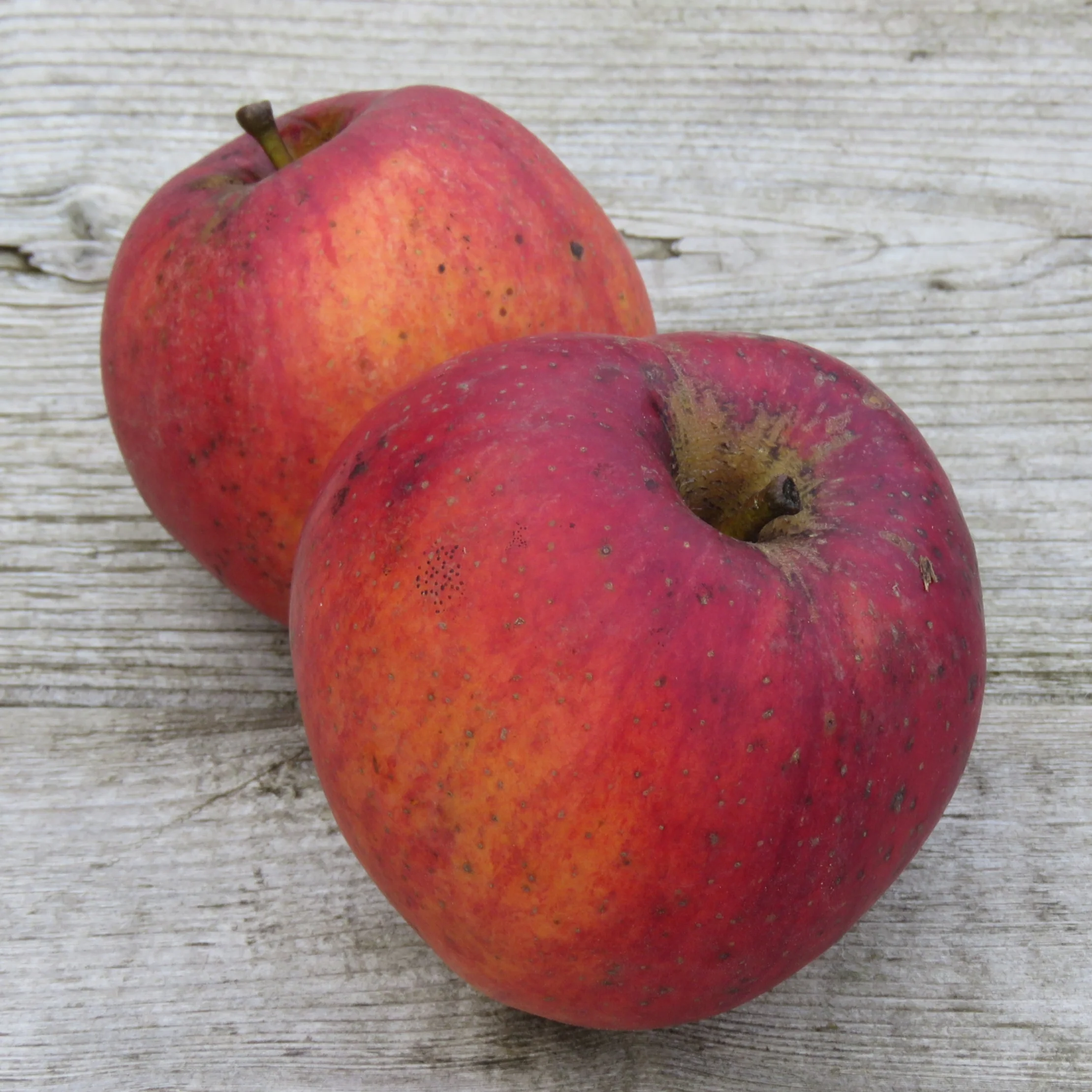
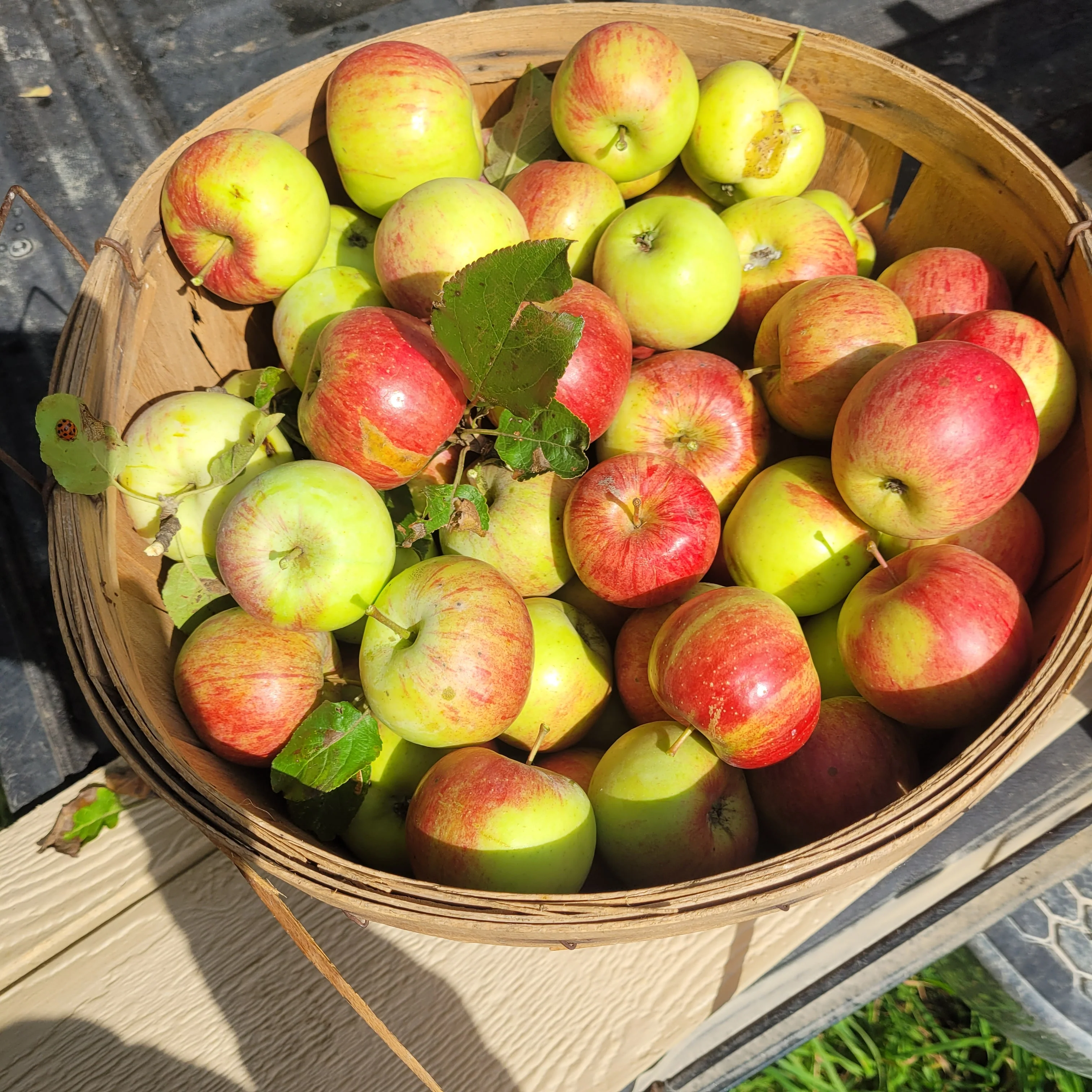
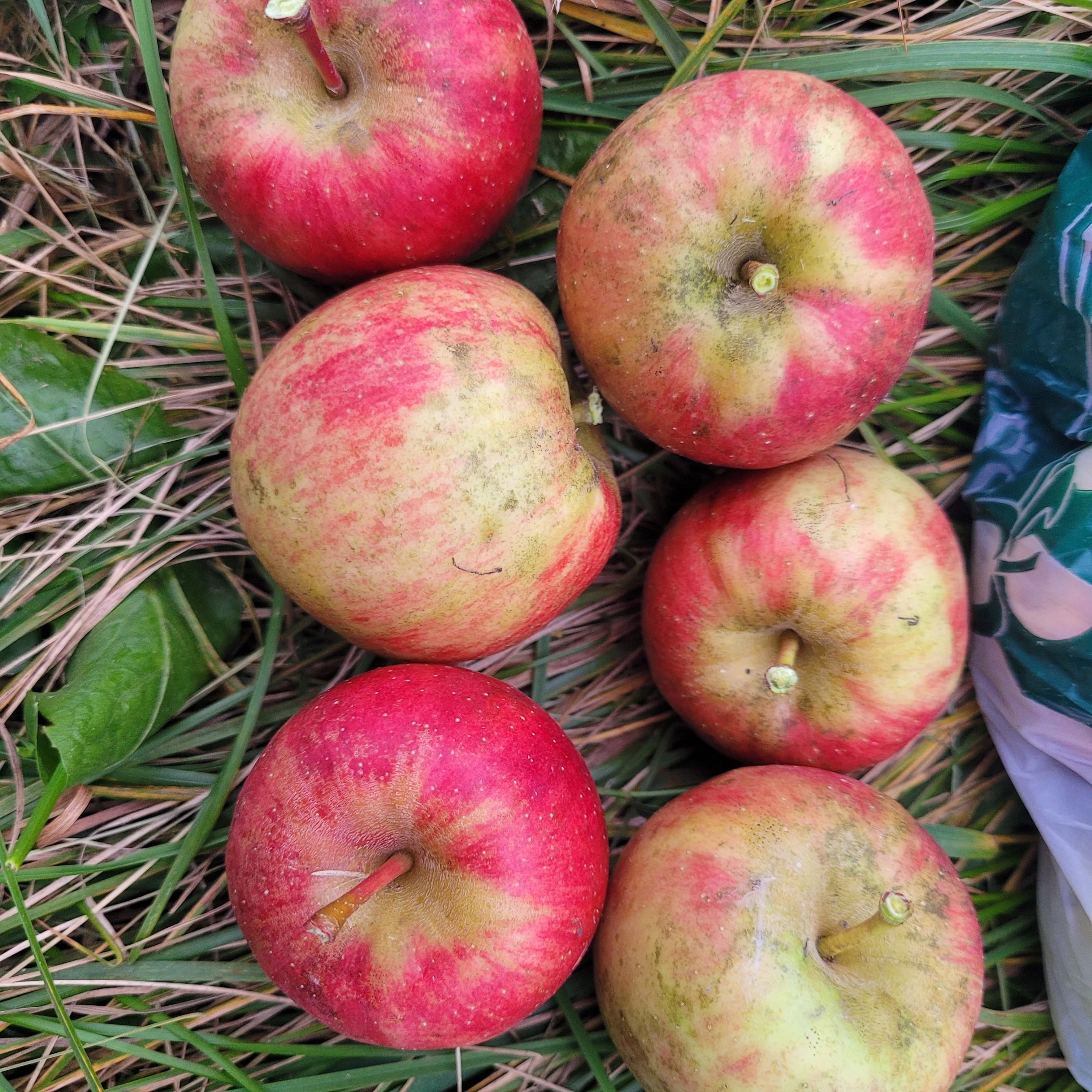
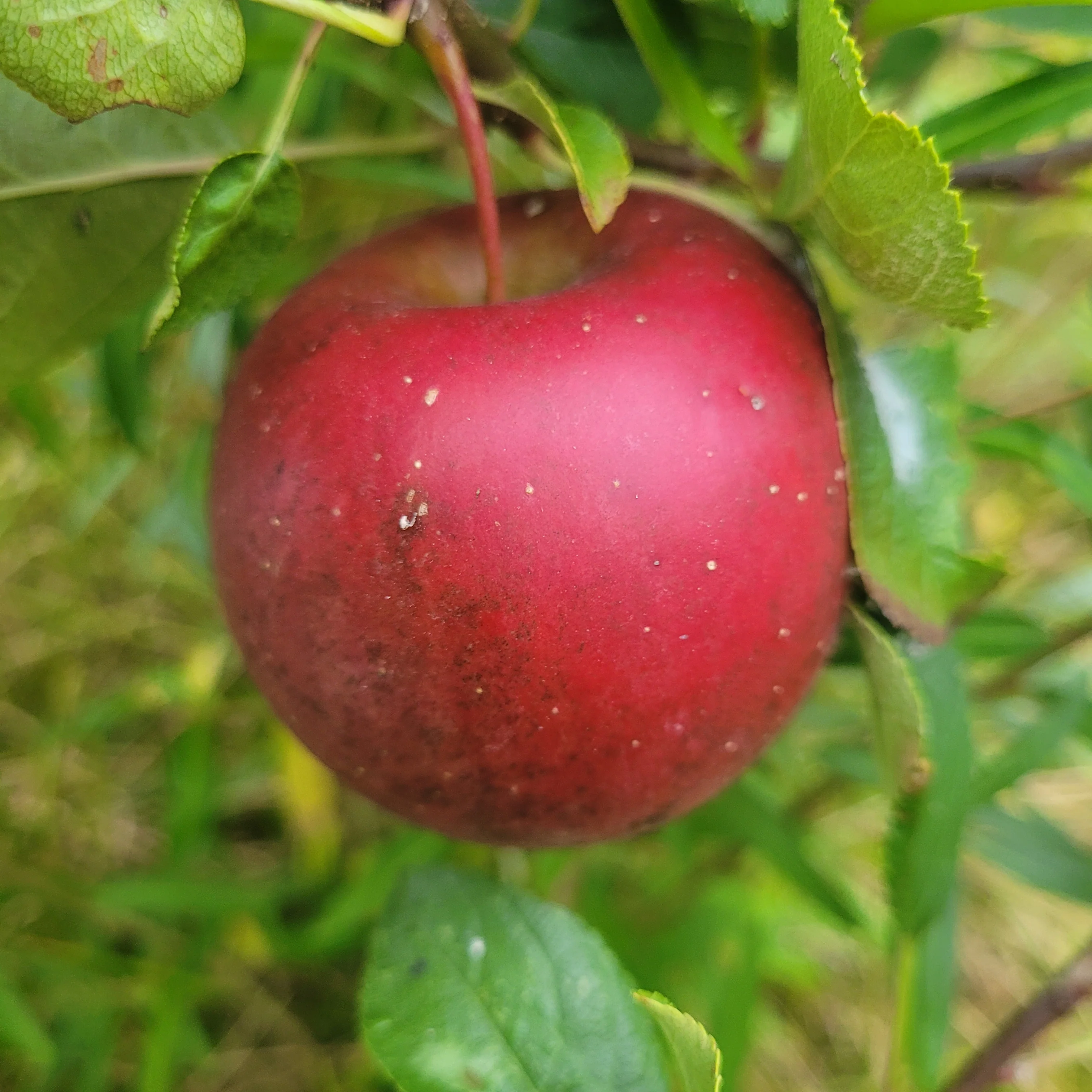
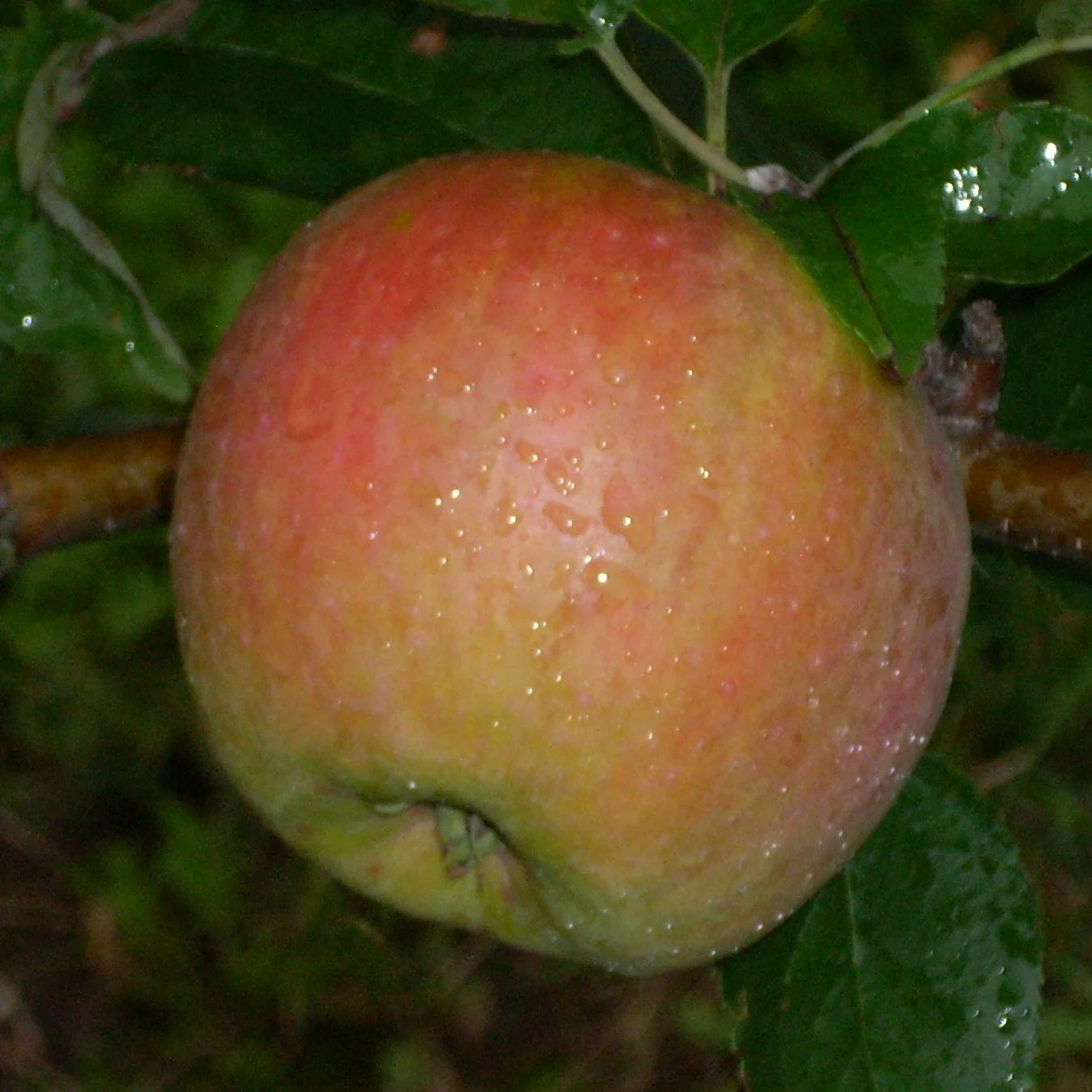
Why We Grow It: Pinova produces lovely yellow fruit with pink to red blush and some striping. It is very flavourful with plenty of sweetness and complexity and a strong floral aroma. This crisp, juicy apple is great for fresh eating, produces bountiful crops, and stores exceptionally well. The tree is also resistant to scab and late spring frosts!
Why We Grow It: Pinova produces lovely yellow fruit with pink to red blush and some striping. It is very flavourful with plenty of sweetness and complexity and a strong floral aroma. This crisp, juicy apple is great for fresh eating, produces bountiful crops, and stores exceptionally well. The tree is also resistant to scab and late spring frosts!
History: Pinova was developed in Eastern Germany at the Institut für Obstforschung Dresden-Pillnitz (translated from German as the Dresden-Pillnitz Institute for Fruit Research) and released in 1986. It is also known as Corail, Sonata, and is sold under the brand name Pinata in the US.
Why We Grow It: Pinova produces lovely yellow fruit with pink to red blush and some striping. It is very flavourful with plenty of sweetness and complexity and a strong floral aroma. This crisp, juicy apple is great for fresh eating, produces bountiful crops, and stores exceptionally well. The tree is also resistant to scab and late spring frosts!
Why We Grow It: Pinova produces lovely yellow fruit with pink to red blush and some striping. It is very flavourful with plenty of sweetness and complexity and a strong floral aroma. This crisp, juicy apple is great for fresh eating, produces bountiful crops, and stores exceptionally well. The tree is also resistant to scab and late spring frosts!
Select Rootstock
Select Size
From $26.73
Pinova Apple Bareroot—
$26.73
Description
History: Pinova was developed in Eastern Germany at the Institut für Obstforschung Dresden-Pillnitz (translated from German as the Dresden-Pillnitz Institute for Fruit Research) and released in 1986. It is also known as Corail, Sonata, and is sold under the brand name Pinata in the US.
Why We Grow It: Pinova produces lovely yellow fruit with pink to red blush and some striping. It is very flavourful with plenty of sweetness and complexity and a strong floral aroma. This crisp, juicy apple is great for fresh eating, produces bountiful crops, and stores exceptionally well. The tree is also resistant to scab and late spring frosts!
Why We Grow It: Pinova produces lovely yellow fruit with pink to red blush and some striping. It is very flavourful with plenty of sweetness and complexity and a strong floral aroma. This crisp, juicy apple is great for fresh eating, produces bountiful crops, and stores exceptionally well. The tree is also resistant to scab and late spring frosts!