York Imperial Apple Bareroot
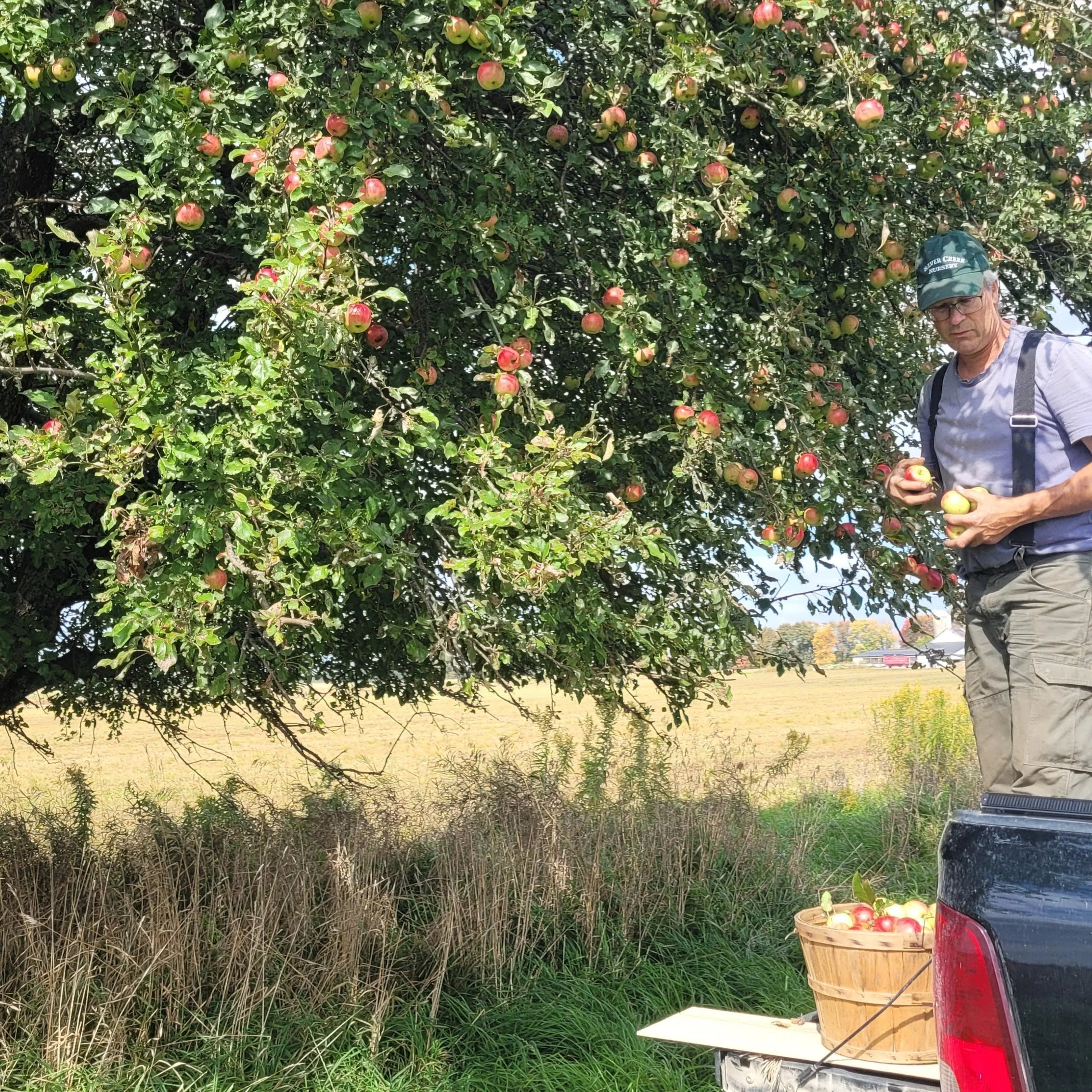
History: York Imperial was discovered as a seedling tree growing on the farm of John Kline in Pennsylvania. Nurseryman Jonathan Jessop, of Springwood Farm in York, Pennsylvania, began propagating the variety in 1820 after witnessing schoolboys digging through the leaves around the base of the tree in spring and retrieving apples there were in great condition despite spending all winter on the ground. In an age without refrigeration, Jessop knew this variety had excellent commercial potential. It was initially named Jonathan's Fine Winter for its excellent storage properties but was later renamed York Imperial after horticulturalist Andrew Jackson Downing called it the 'imperial of keepers,' again referencing its storability and the location of Jessop's farm. It quickly became popular and remains one of few heritage apples that are still commonly grown in the US today.
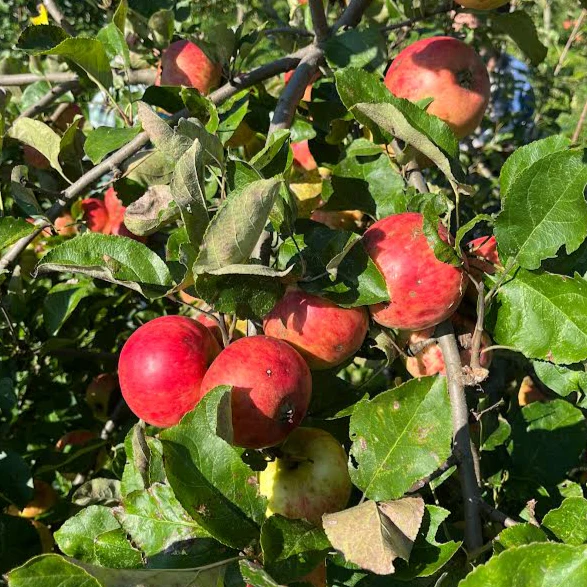
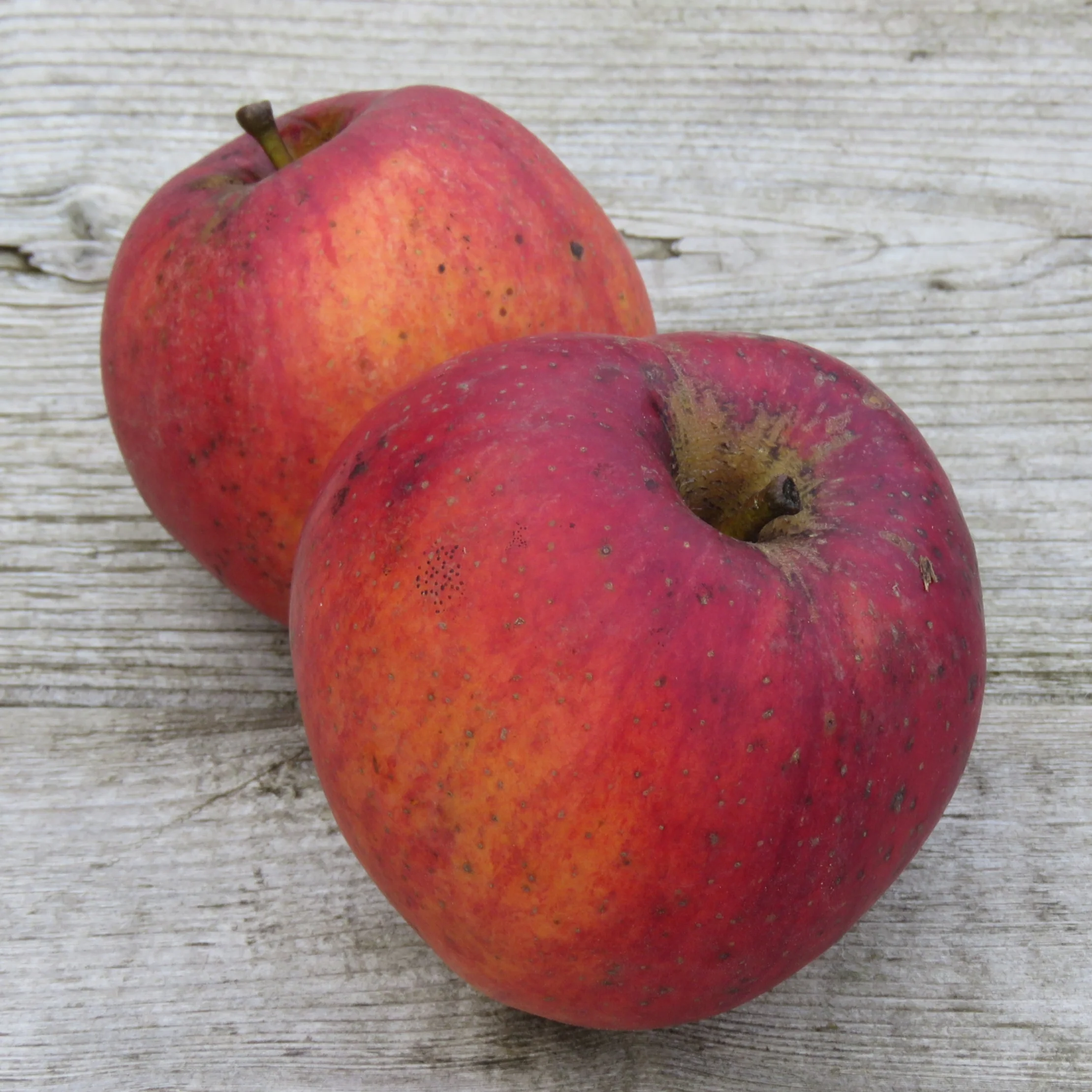
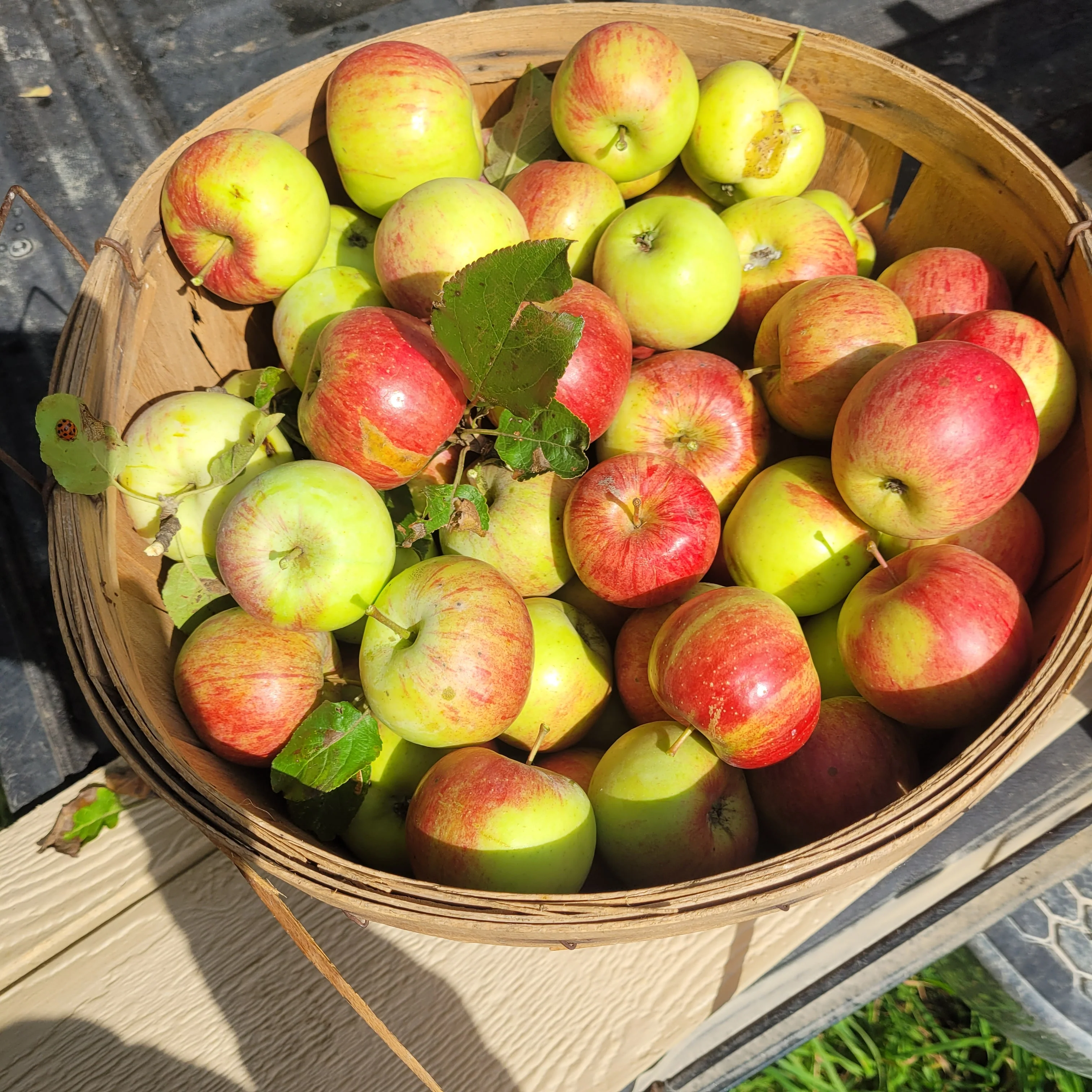
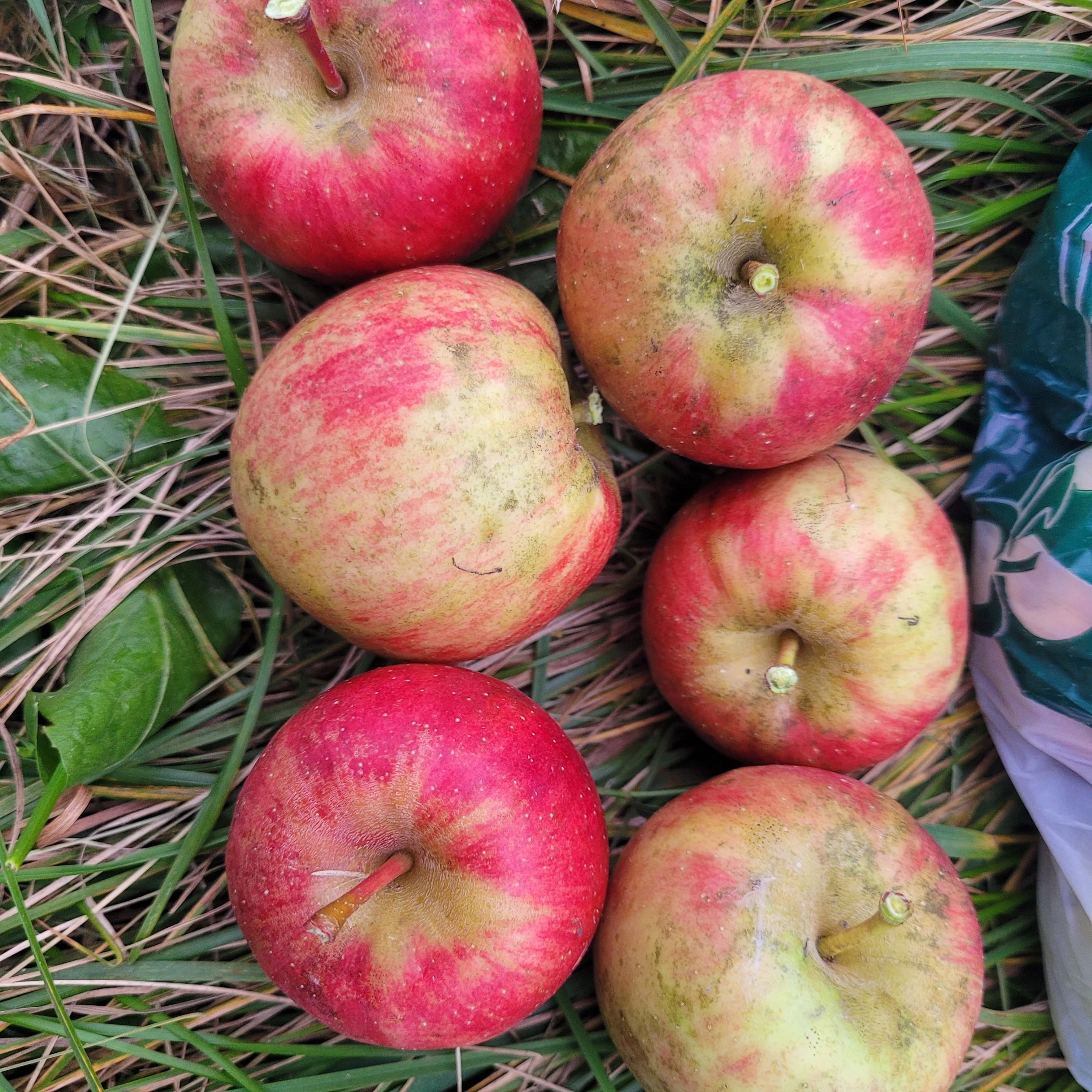
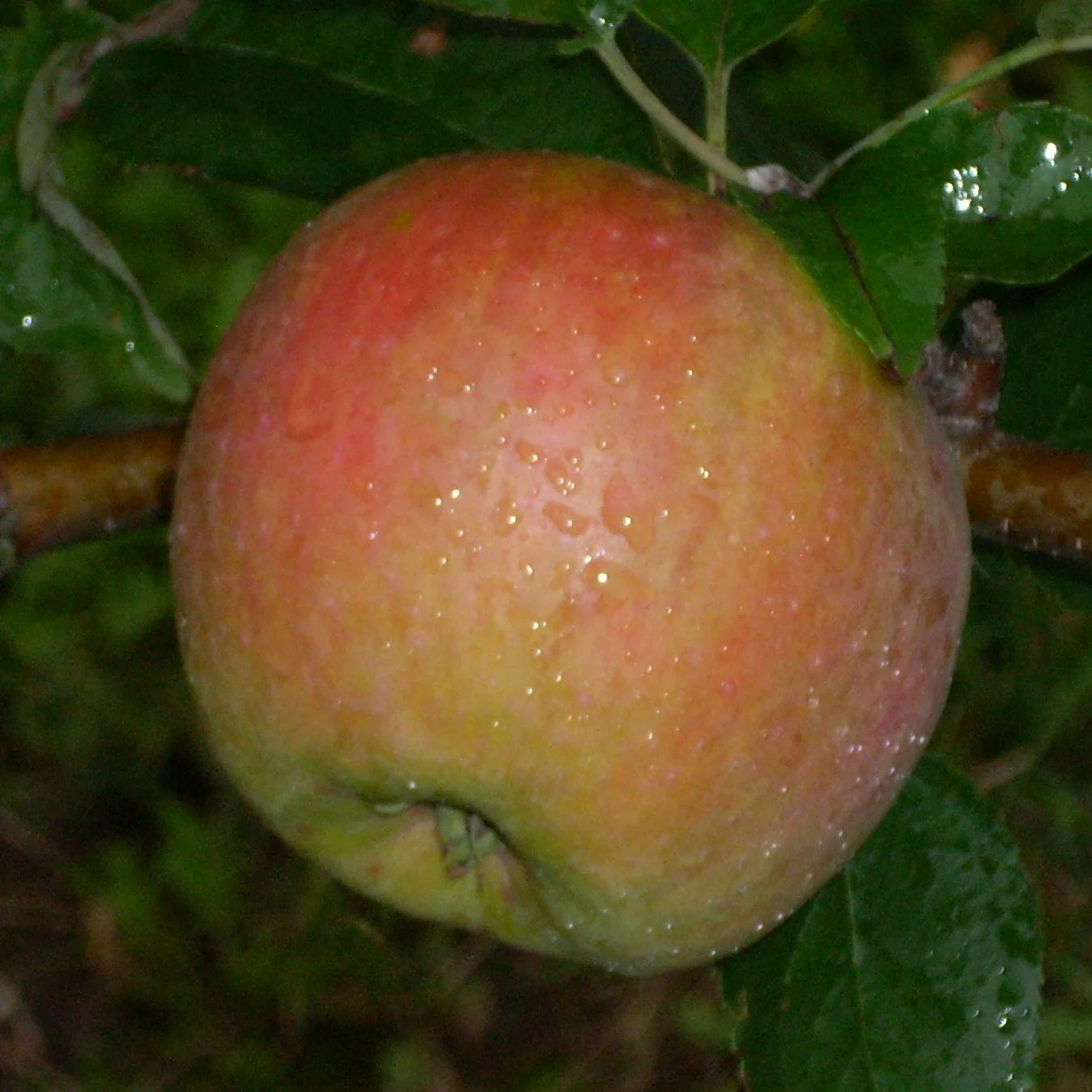
Why We Grow It: York Imperial produces a rather lop-sided fruit with yellow skin and red striping. It is crisp and juicy with a lovely sweet, honeyed flavour that is hard to turn down. The fruit is truly all-purpose, also being great for cooking, baking, jelly, juice, drying, and cider and generally storing quite well. While not the fastest growing tree and with a tendency to start producing fruit a little later than other varieties, York Imperial is an exercise in patience that is well worth the wait.
History: York Imperial was discovered as a seedling tree growing on the farm of John Kline in Pennsylvania. Nurseryman Jonathan Jessop, of Springwood Farm in York, Pennsylvania, began propagating the variety in 1820 after witnessing schoolboys digging through the leaves around the base of the tree in spring and retrieving apples there were in great condition despite spending all winter on the ground. In an age without refrigeration, Jessop knew this variety had excellent commercial potential. It was initially named Jonathan's Fine Winter for its excellent storage properties but was later renamed York Imperial after horticulturalist Andrew Jackson Downing called it the 'imperial of keepers,' again referencing its storability and the location of Jessop's farm. It quickly became popular and remains one of few heritage apples that are still commonly grown in the US today.
Why We Grow It: York Imperial produces a rather lop-sided fruit with yellow skin and red striping. It is crisp and juicy with a lovely sweet, honeyed flavour that is hard to turn down. The fruit is truly all-purpose, also being great for cooking, baking, jelly, juice, drying, and cider and generally storing quite well. While not the fastest growing tree and with a tendency to start producing fruit a little later than other varieties, York Imperial is an exercise in patience that is well worth the wait.
Original: $26.73
-70%$26.73
$8.02Description
History: York Imperial was discovered as a seedling tree growing on the farm of John Kline in Pennsylvania. Nurseryman Jonathan Jessop, of Springwood Farm in York, Pennsylvania, began propagating the variety in 1820 after witnessing schoolboys digging through the leaves around the base of the tree in spring and retrieving apples there were in great condition despite spending all winter on the ground. In an age without refrigeration, Jessop knew this variety had excellent commercial potential. It was initially named Jonathan's Fine Winter for its excellent storage properties but was later renamed York Imperial after horticulturalist Andrew Jackson Downing called it the 'imperial of keepers,' again referencing its storability and the location of Jessop's farm. It quickly became popular and remains one of few heritage apples that are still commonly grown in the US today.
Why We Grow It: York Imperial produces a rather lop-sided fruit with yellow skin and red striping. It is crisp and juicy with a lovely sweet, honeyed flavour that is hard to turn down. The fruit is truly all-purpose, also being great for cooking, baking, jelly, juice, drying, and cider and generally storing quite well. While not the fastest growing tree and with a tendency to start producing fruit a little later than other varieties, York Imperial is an exercise in patience that is well worth the wait.