Cooke's Jumbo Quince Scionwood
History: Cooke's Jumbo originated as a random mutation of an existing quince variety in an orchard in Dinuba, California. It was brought to the attention of the L.E. Cooke Company, for which it was later named, and introduced commercially in 1972.
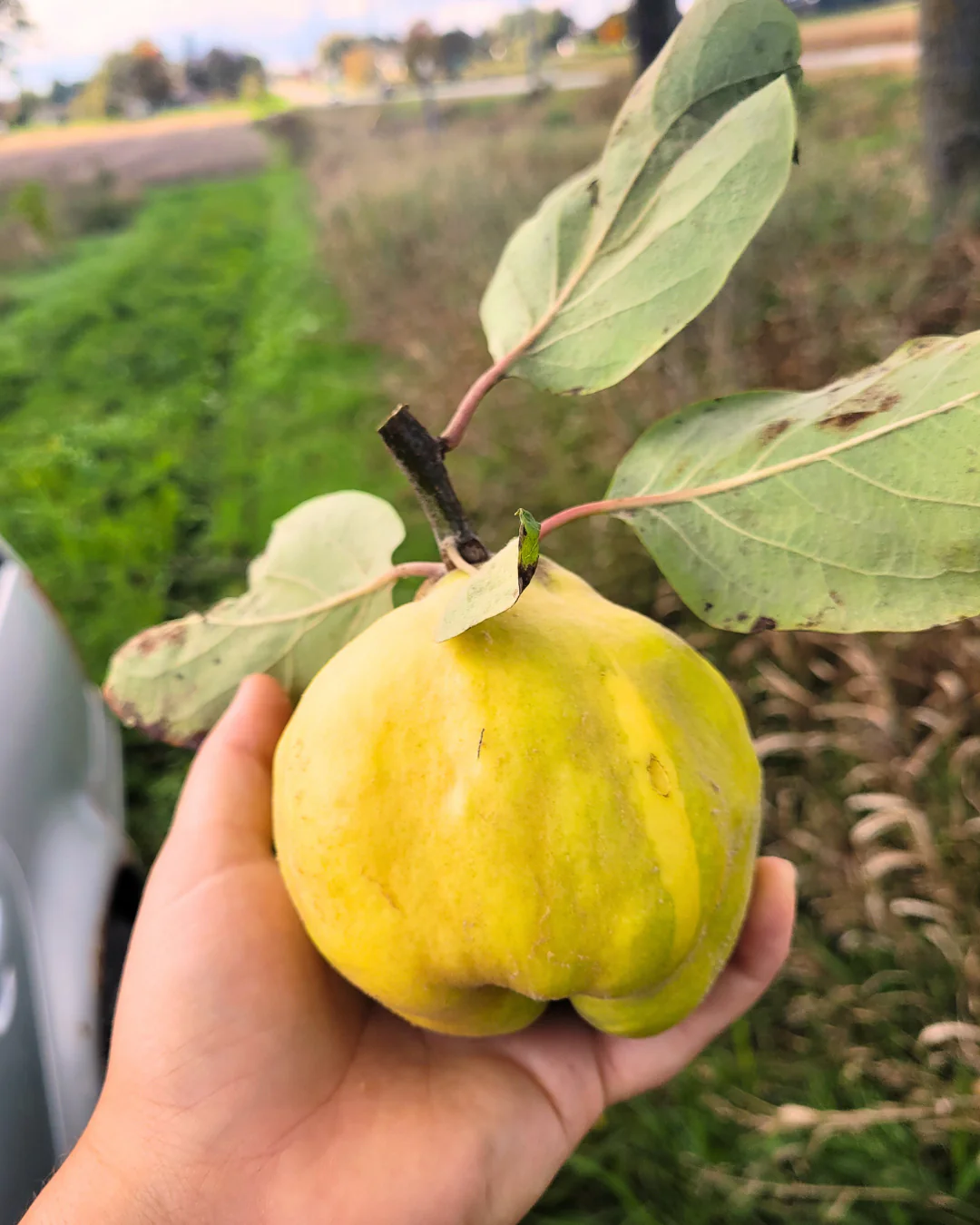
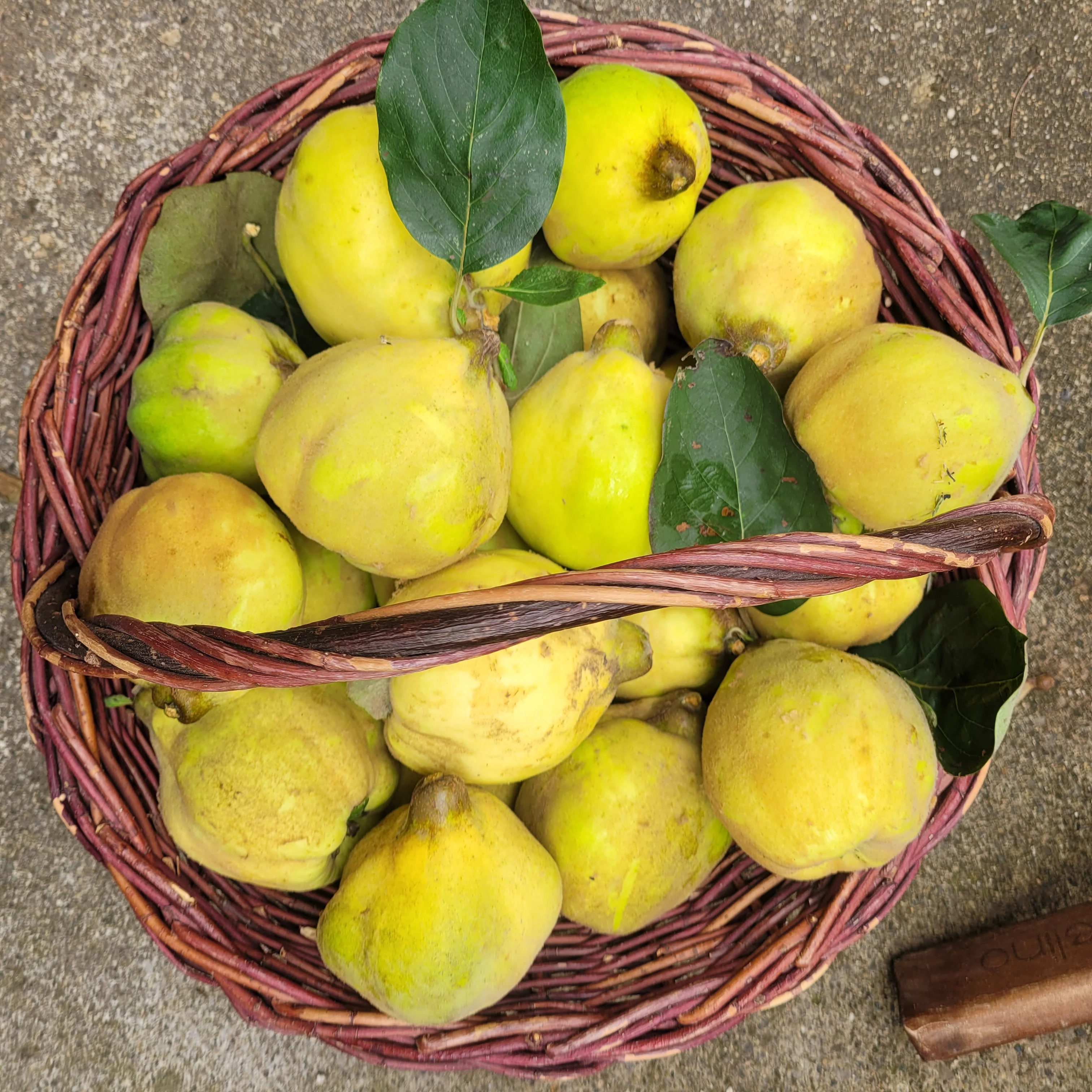
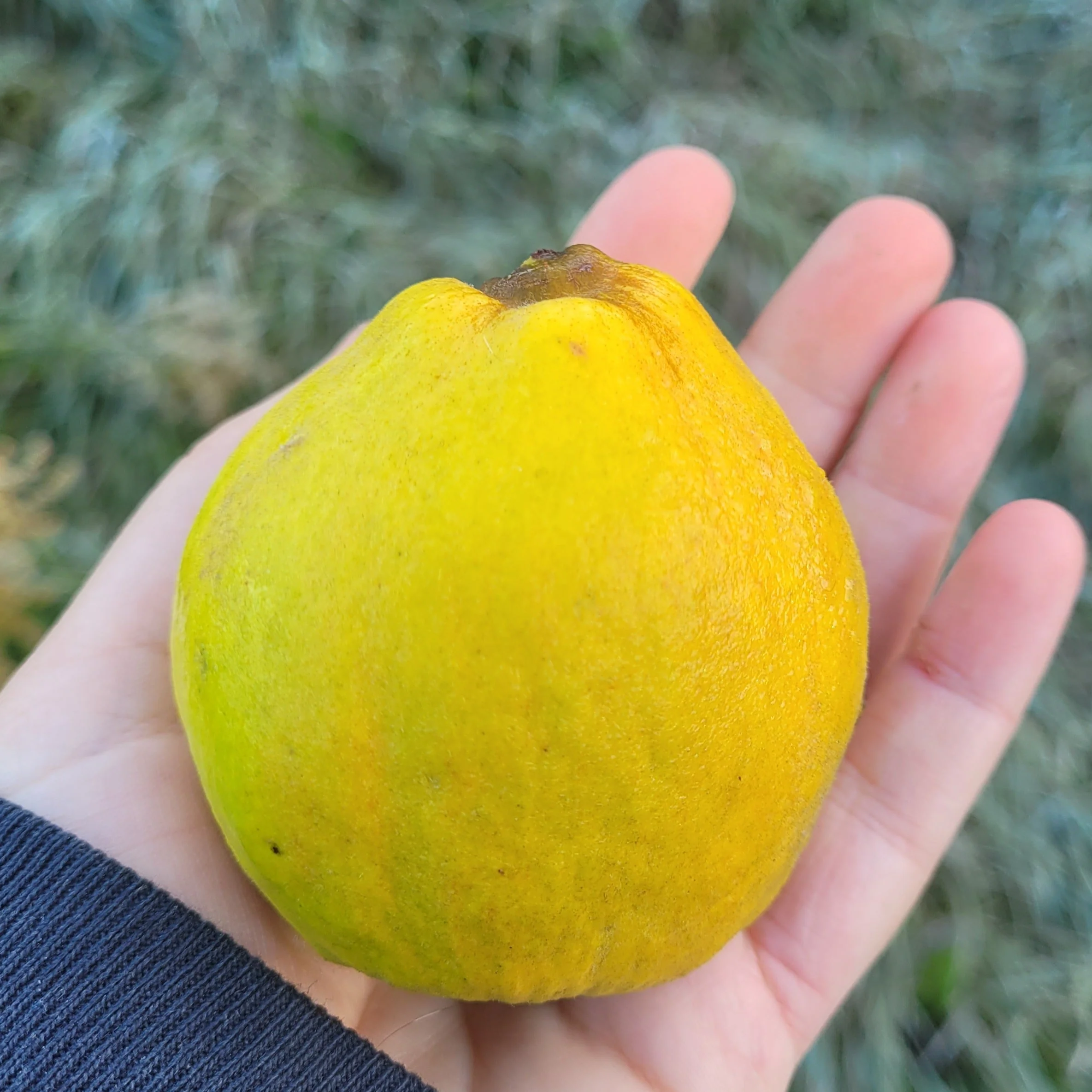
Why We Grow It: The fruit produced by Cooke’s Jumbo are exceptionally large with greenish-yellow skin and firm white flesh. They are not generally eaten raw, but rather used for baking, jellies, or candied. This is one of the hardiest varieties of quince available.
History: Cooke's Jumbo originated as a random mutation of an existing quince variety in an orchard in Dinuba, California. It was brought to the attention of the L.E. Cooke Company, for which it was later named, and introduced commercially in 1972.
Why We Grow It: The fruit produced by Cooke’s Jumbo are exceptionally large with greenish-yellow skin and firm white flesh. They are not generally eaten raw, but rather used for baking, jellies, or candied. This is one of the hardiest varieties of quince available.
Description
History: Cooke's Jumbo originated as a random mutation of an existing quince variety in an orchard in Dinuba, California. It was brought to the attention of the L.E. Cooke Company, for which it was later named, and introduced commercially in 1972.
Why We Grow It: The fruit produced by Cooke’s Jumbo are exceptionally large with greenish-yellow skin and firm white flesh. They are not generally eaten raw, but rather used for baking, jellies, or candied. This is one of the hardiest varieties of quince available.